
Behind the Work
One Day to Film a Factory, a Lab and a Product Story
How preparation, collaboration and a little filmmaking creativity helped us bring Faesol’s iLite story to life.
By Gilbert Chan • Creative Director, Red Ink Media
When someone says they’re making a corporate video, you probably imagine the usual things. An interview with the CEO. A few shots of the office. Perhaps someone walking purposefully down a corridor. We’ve all seen those videos.
But when we were producing Faesol’s iLite corporate film, the filming locations were a little different. A factory. A laboratory. Industrial machinery. And a cooking demonstration. Not exactly your typical movie set. But that was what made the project interesting.
A lot to shoot. Not a lot of time.
We had one day to complete the shoot. And our filming requirements included interviews, technical manufacturing processes, laboratory work, a cooking demonstration and drone footage. That’s quite a lot to cover in a single day.
The challenge wasn’t simply capturing everything on the shot list. We needed the footage to work together as a film. I didn’t want the factory scenes to look like someone documenting machinery for an instruction manual. I wanted the audience to see the people, the processes and the thinking behind the product.
And I wanted it to look good.
Finding something cinematic in everyday work
One thing I’ve learned from filmmaking is that interesting visuals don’t always come from interesting locations. Sometimes they come from how you look at an ordinary location. A factory floor might seem mundane to someone walking through it every day. But look closely and there’s a lot happening. People operating equipment. Machinery moving with precision. The little details of how something is made. And the people who understand those processes far better than the rest of us. Those were the things we wanted to capture.
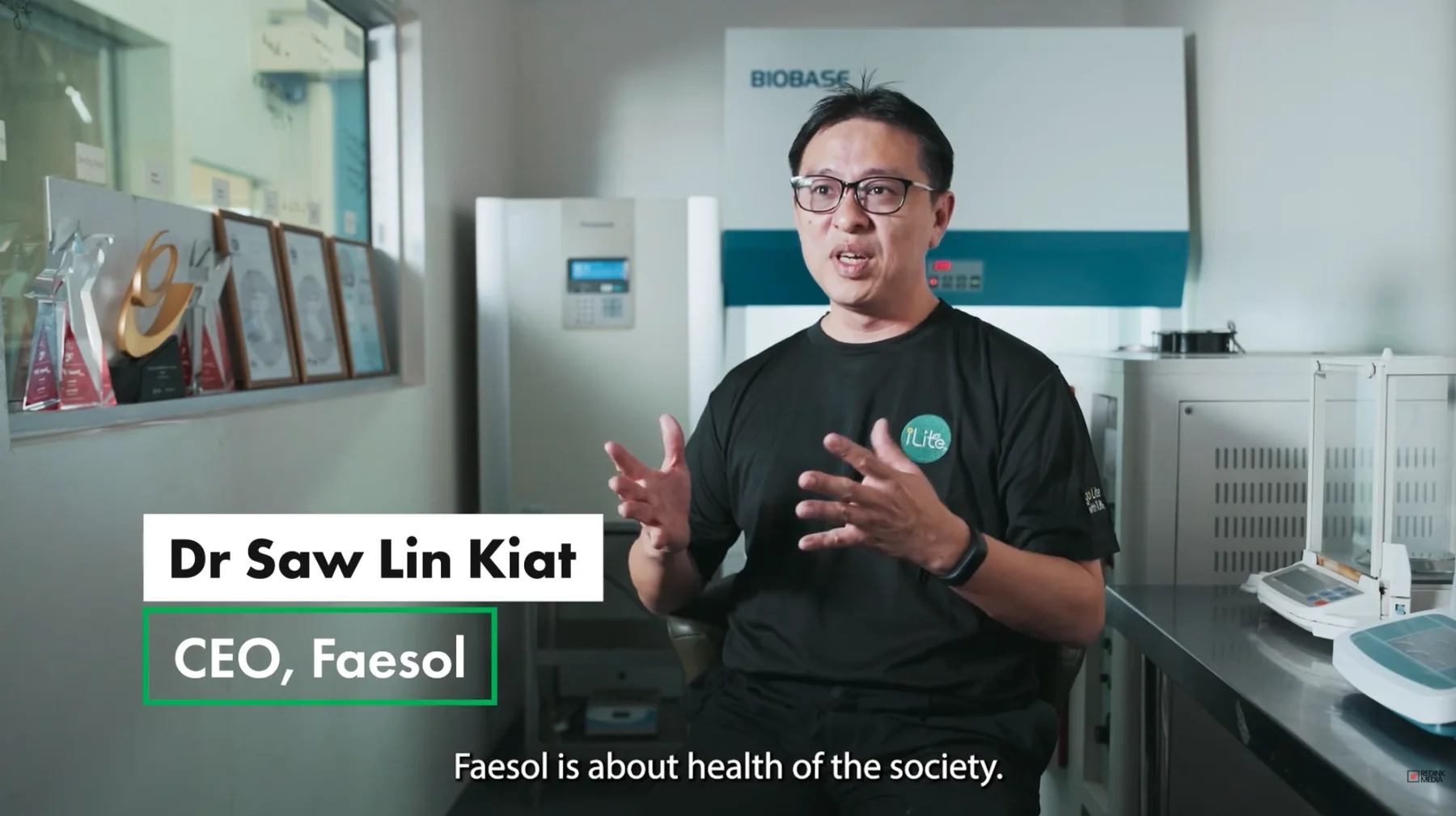
Good lighting, thoughtful composition and camera placement could make those everyday processes more visually engaging. But there was another important consideration. The audience needed to understand what they were seeing. A beautiful shot of a machine means very little if viewers have no idea why they’re looking at it. That’s why the interviews were important. They gave the film a human explanation, while the factory and laboratory footage allowed us to show the actual work.
The real secret happened before the shoot
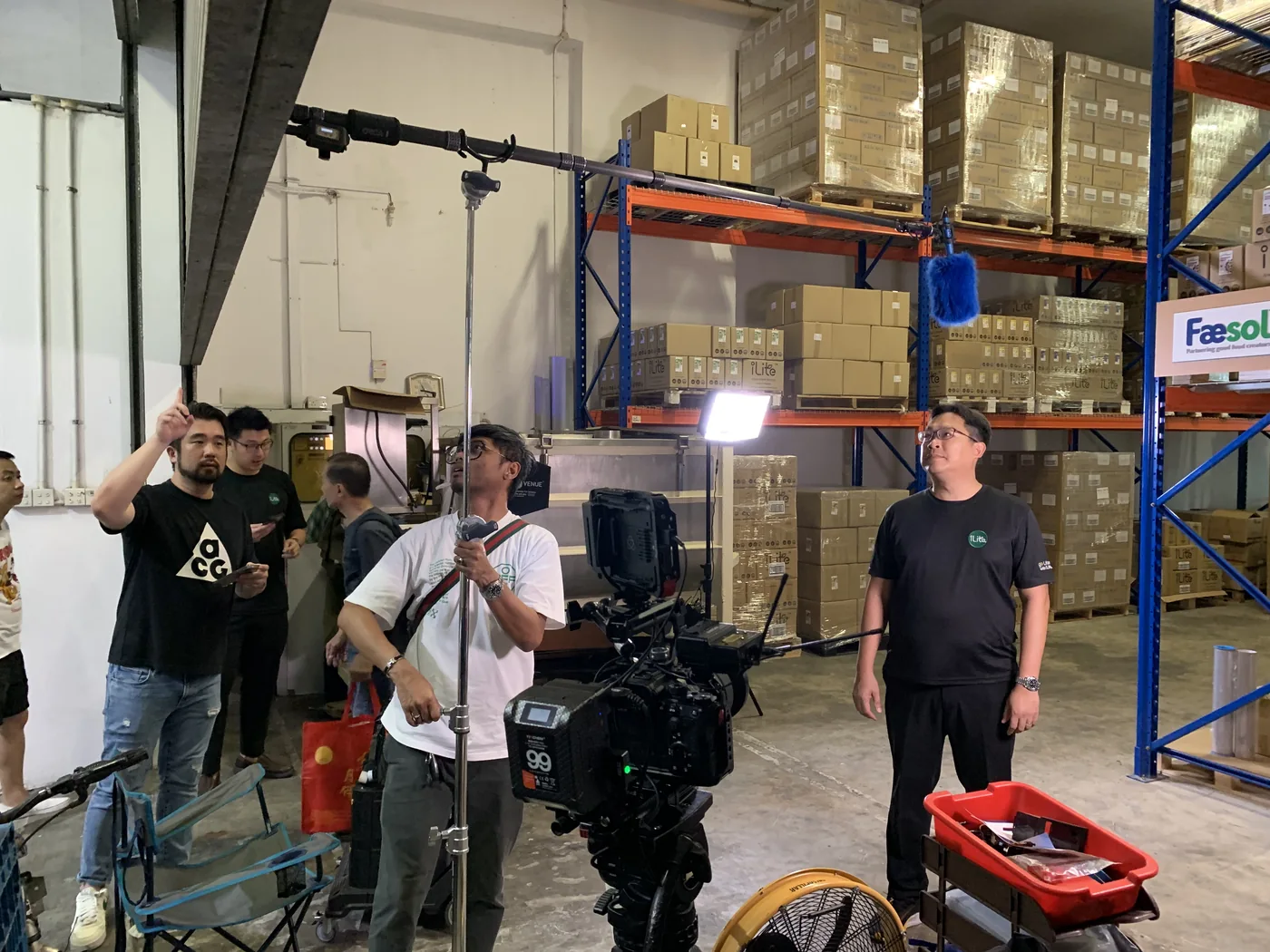
There’s something satisfying about a production day when everything runs smoothly. One setup finishes. The next begins. Everyone knows where they need to be. And you’re not constantly trying to figure out what comes next. That’s largely how I remember our Faesol shoot. And it wasn’t an accident. A lot of preparation had gone into the production, and the Faesol team worked closely with us to coordinate the filming requirements. That collaboration made a significant difference.
When you only have one shooting day, you don’t have the luxury of figuring everything out after arriving. You need to know what you’re trying to achieve. What absolutely needs to be filmed? Which scenes require specific people or equipment? How will the shots work together in the edit? Where will animation help explain something that the camera alone cannot? These are the sorts of decisions that make a demanding production manageable. The better prepared you are, the more creative freedom you have when filming actually begins.
Bringing everything together
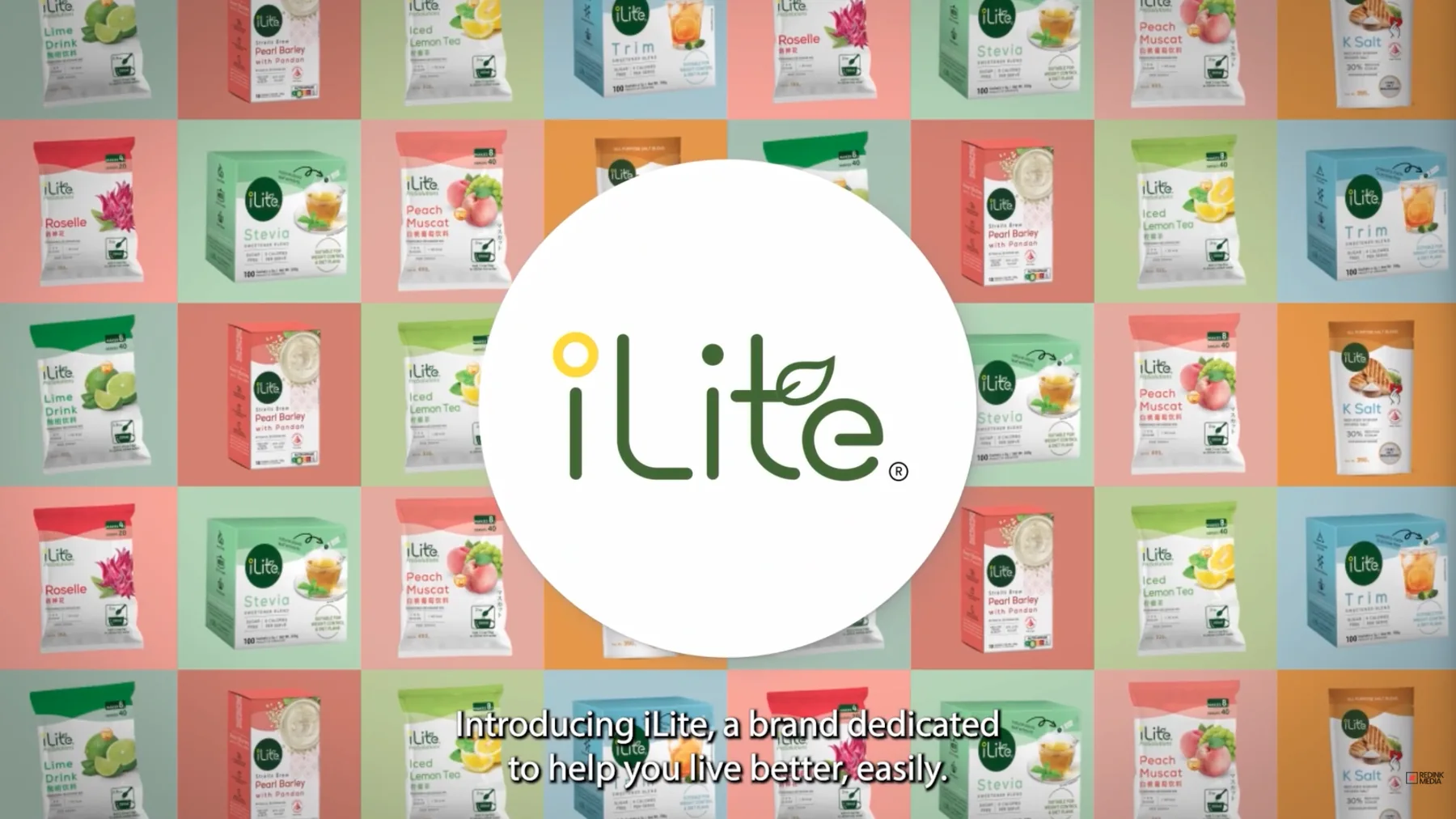
The shoot was only one part of the finished film. In post-production, we combined the interviews and live-action material with motion graphics and 3D product animation. The objective wasn’t to use as many production techniques as possible. It was to make each one do something useful. Filmed footage showed the real people and processes. Animation helped communicate details that were less straightforward to explain through live action alone. And editing brought those elements together into a coherent product story. For this project, Red Ink handled production and post-production, working from the supplied script.
You can watch the completed Faesol iLite film here.
Watch the completed Faesol iLite film
For more on choosing the right mix, read:
The best part of the project
Of course, completing a demanding shoot is satisfying. But the part I always look forward to is seeing how the client responds to the finished work. Faesol’s marketing consultant, Matthew Low, was particularly complimentary about how the film presented the industrial and laboratory work. He described the results as “movie-like scenes.” That was exactly what we’d hoped to achieve. Not because every corporate video needs to look like a Hollywood film. But because even an industrial or technical subject deserves to be presented in a way that captures attention.
And there was another nice surprise. The client gave us months’ worth of my favourite ginger tea. So we ended the project with a happy client, a film we were proud of and a considerable amount of tea. I’ve had worse production experiences.
What this project reminded me
A good corporate film doesn’t need an exotic location. It doesn’t necessarily need an enormous production schedule. And it certainly doesn’t need a complicated visual effect in every shot. What it needs is an understanding of the subject, thoughtful preparation and a creative approach that gives the audience something worth watching. Sometimes that means turning an ordinary factory floor into something cinematic. And sometimes it simply means making sure you know exactly what you’re doing when the cameras start rolling.
Because the quality of a film is often decided long before the first shot is taken.
Tell us about your product or process
Have a complicated product or process to explain? Tell us about it. We’ll help you find the story worth showing.