
Behind the Work
How Priority Seat turned a public-service message into an 18M+ view conversation
A familiar commuter dilemma, three competing characters and a moving bus gave StarHub’s courtesy message a story people wanted to follow.
WATCH THE PUBLIC FILM
 Play the Priority Seat film
On a bus, everyone can see the priority seat. What is less clear is who needs it most. That everyday uncertainty became the starting point for Priority Seat, a film Red Ink made for StarHub’s Love in Transit campaign. StarHub wanted to encourage courtesy on public transport. We wanted the audience to recognise the situation, follow the people in it and think about the choice for themselves.
The finished film has reached more than 18 million views across social platforms. Its response was exceptional, but the creative decisions began with a much smaller question: how do you make a familiar courtesy message worth watching?
Start with a moment people already know
A priority seat can make an ordinary bus ride surprisingly tense. A passenger may look fine and still need it. Another may believe age gives them the stronger claim. Someone has to decide whether to ask, offer, stand or stay seated, often with other people watching.
That is a recognisable Singapore situation. It gave the film an audience insight before it gave us a plot. Instead of opening with an instruction about considerate behaviour, we could begin with a moment that commuters already had opinions about.
Give the audience a conflict to follow
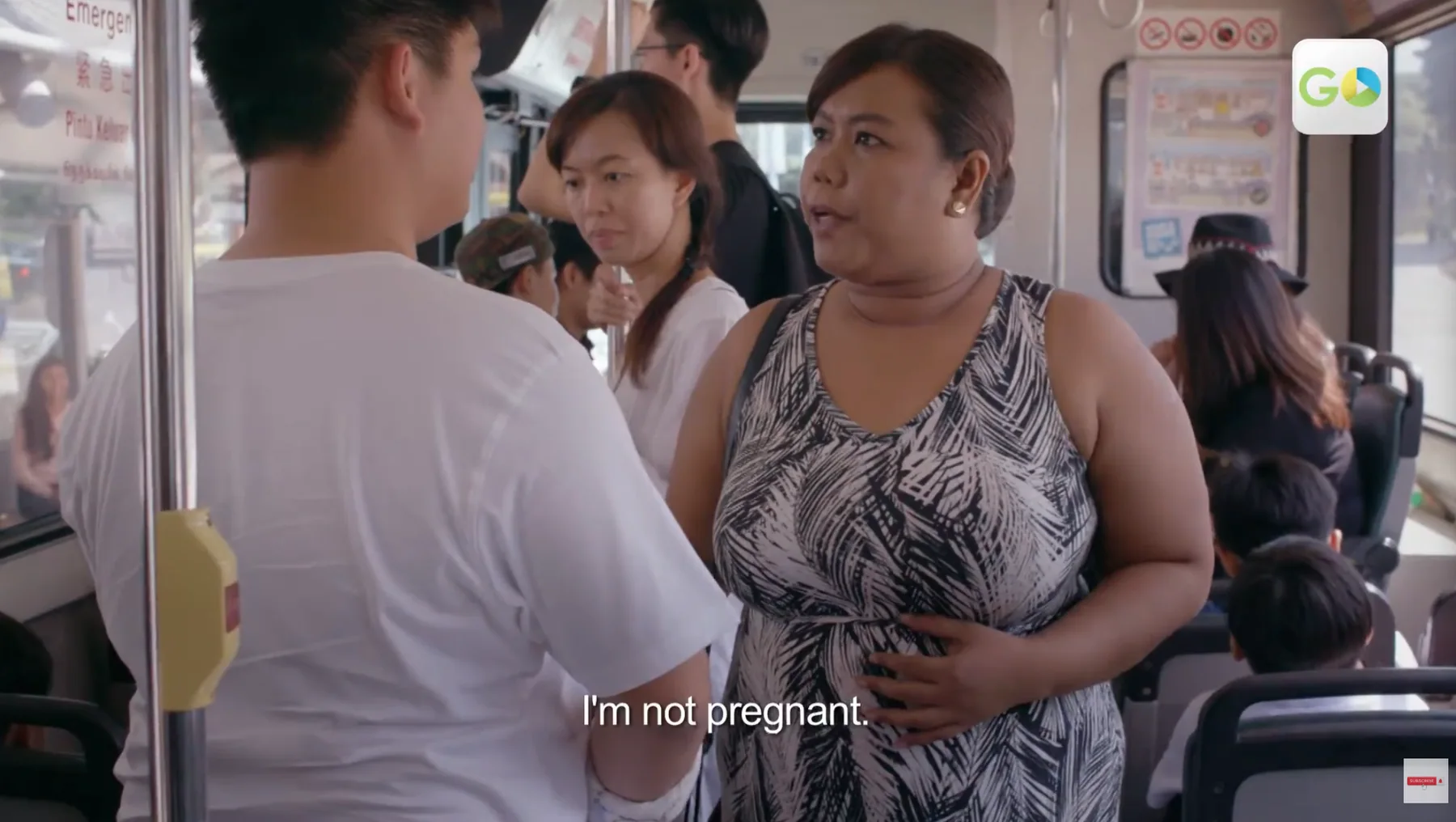
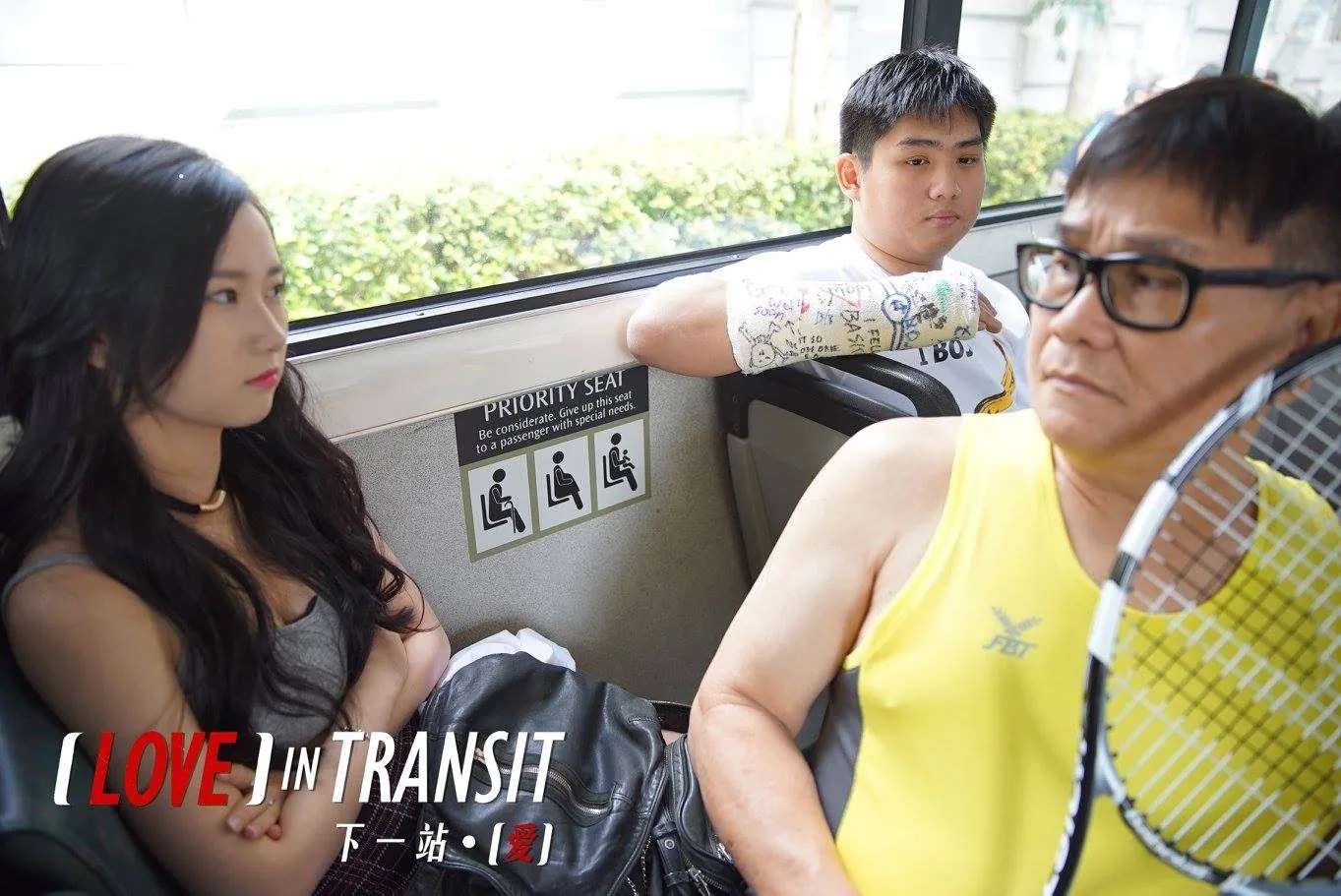
The film puts three characters in competition for one seat. Each believes they have a reason to be there. As their claims and reactions collide, the situation becomes harder to settle and funnier to watch.
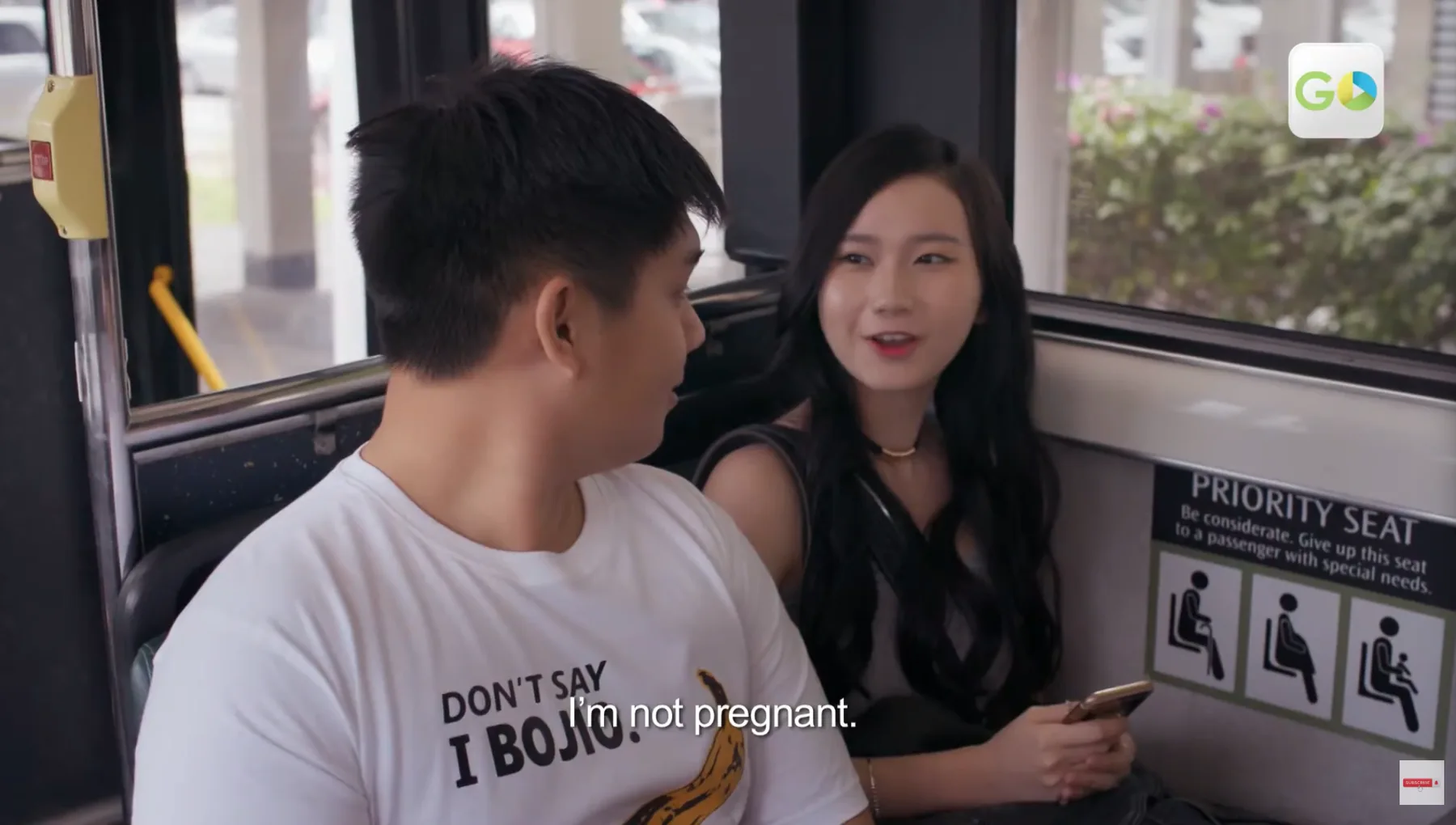
The writing did not need to announce the lesson at the start. It needed characters with enough conviction for the audience to understand the disagreement. Viewers could weigh the claims, notice their own assumptions and stay for the turn in the story. The courtesy message then emerged through the scene, rather than sitting above it as a slogan.
Gilbert Chan helped develop the creative approach and wrote and directed the film. Casting and performance were central to making the conflict feel observed rather than simply explained. A hesitation, expression or shift in pace could change how a character’s claim landed.
The writing did not need to announce the lesson at the start. It needed characters with enough conviction for the audience to understand the disagreement.
Use comedy with care
Comedy gave the film a way into a subject that can feel awkward in real life. The humour came from the competing points of view and the escalation between the characters. It made room for the audience to laugh while still considering the behaviour underneath the joke.
Three choices held the film together: a local situation people recognised, characters whose claims created conflict, and comedy that let the issue be approached without a lecture. Those choices grew from this particular brief and setting. The aim was to make a public-minded message feel like entertainment people had chosen to watch.
Make the bus scene work in production
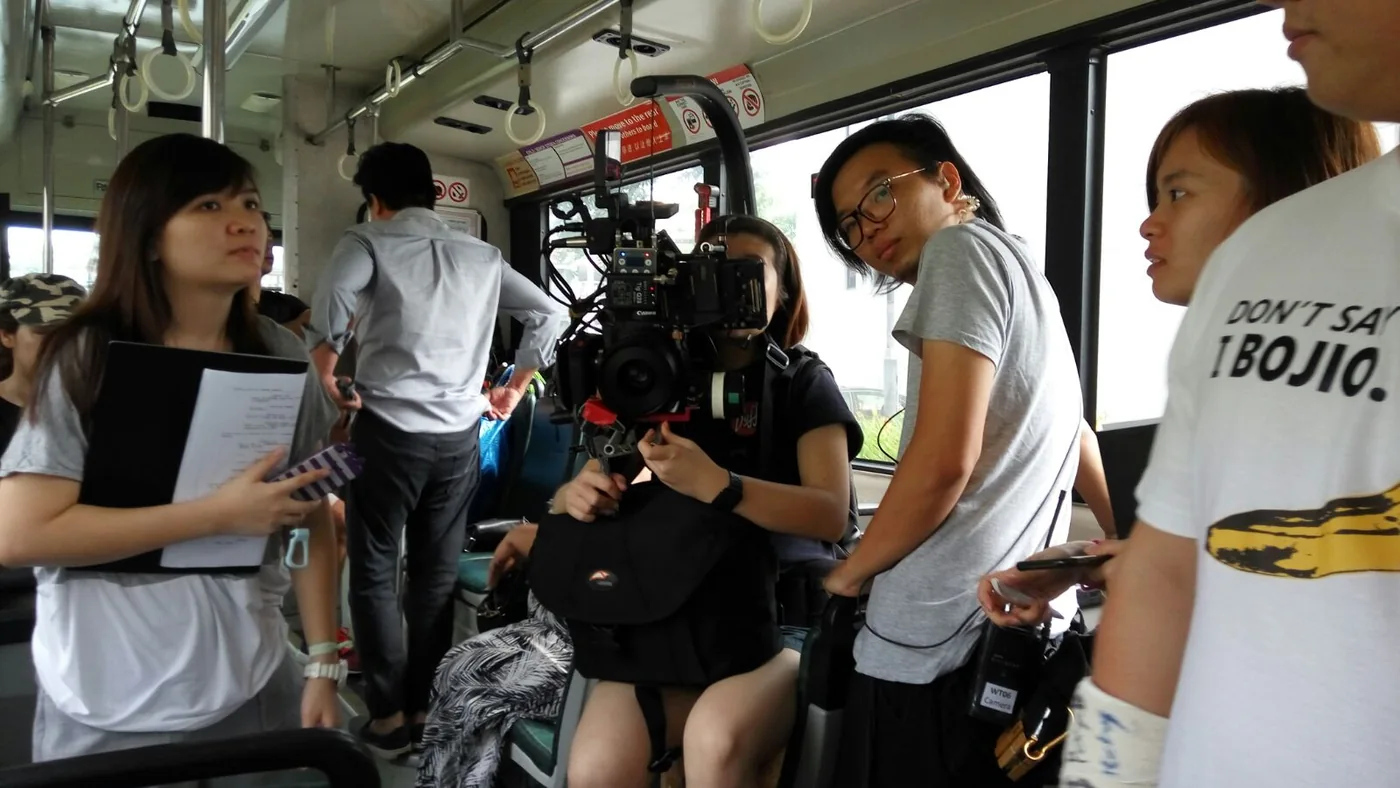
The setting was simple to recognise and demanding to film. Red Ink rented a bus and shot while it was moving. A full passenger cast and many extras had to be positioned and directed while the team managed the vehicle, route and camera coverage.
Preparation took roughly two to three weeks. The team filmed over two days, using a mix of veteran performers and younger, less familiar actors. Post-production took another roughly two to three weeks, bringing the performances and comic escalation together into one main short film for social distribution, including TikTok, Facebook and Instagram.
The production work mattered because the idea depended on seeing the passengers react to one another. The bus had to feel like a real public space, and the audience had to be able to follow every change in the contest for the seat.
What happened after release
Priority Seat reached more than 18 million views across social platforms and prompted substantial organic discussion about the characters’ behaviour and competing claims. It also received Best Script at the China-ASEAN Short Video Competition.
What the response shows
That response belongs to this film. What the work illustrates is a way to approach a public or brand message: find a human situation the audience recognises, give it characters and a dramatic question, then make the production serve the story. For Priority Seat, that combination helped a courtesy message travel well beyond the bus on which it was filmed.
Common questions
Why did Red Ink make a comedy about priority-seat courtesy?
The film had to encourage courtesy without feeling like a lecture. A familiar commuter dilemma and three competing characters let viewers engage with the situation before the message became explicit. Comedy made the exchange watchable while leaving the underlying question intact.
What did filming Priority Seat involve?
Red Ink prepared for roughly two to three weeks and filmed over two days on a rented bus that kept moving during the shoot. The team worked with a full passenger cast, many extras and a mix of veteran and newer performers. Post-production took roughly another two to three weeks.
How many views did Priority Seat receive?
The approved case-study wording is more than 18 million views across social platforms. The film also generated organic discussion and received Best Script at the China-ASEAN Short Video Competition. Those are results for this film, not a forecast for other projects.
THE NEXT FRAME
Have a message people need to care about?
Tell us who needs to see it and what the film should help them understand.
Discuss a project