
ABOUT RED INK MEDIA
A story-first creative and production studio.
Red Ink Media is a Singapore creative and production company. We make brand, commercial and public-facing films for organisations that need an audience to understand something, feel something or see it differently.
ABOUT RED INK MEDIA
The audience is part of the brief
A film can satisfy every line of a brief and still leave the viewer behind. We believe the work starts by asking why somebody would give it their time. Sometimes the answer is a character, sometimes an unexpected situation, sometimes the chance to see a process that was previously abstract. The story is not decoration around the message. It is how the message makes contact.
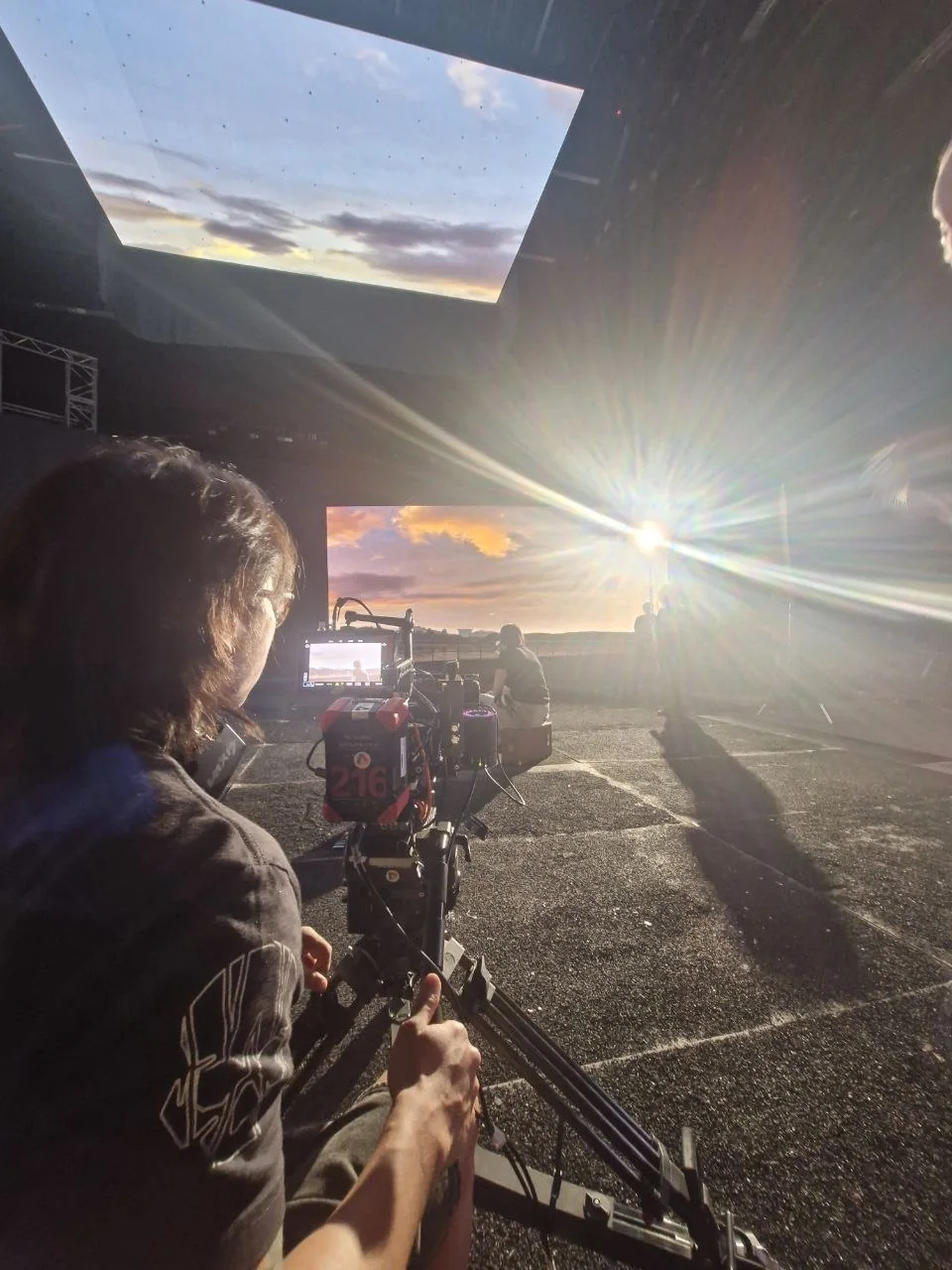
Filmmaking instincts, commercial responsibility
Red Ink brings writing, direction, production and post-production into the same conversation. We want an idea with character and pace, but we also want to know who must approve the claims, where the film will live and what a real schedule will allow. That mix is visible in the work: Priority Seat earned a large audience through comedy; SPF Myth or Fact made public information watchable inside a demanding approval setting; Faesol iLite showed industrial and laboratory processes; SMU IIE gave an institution a more distinctive voice.
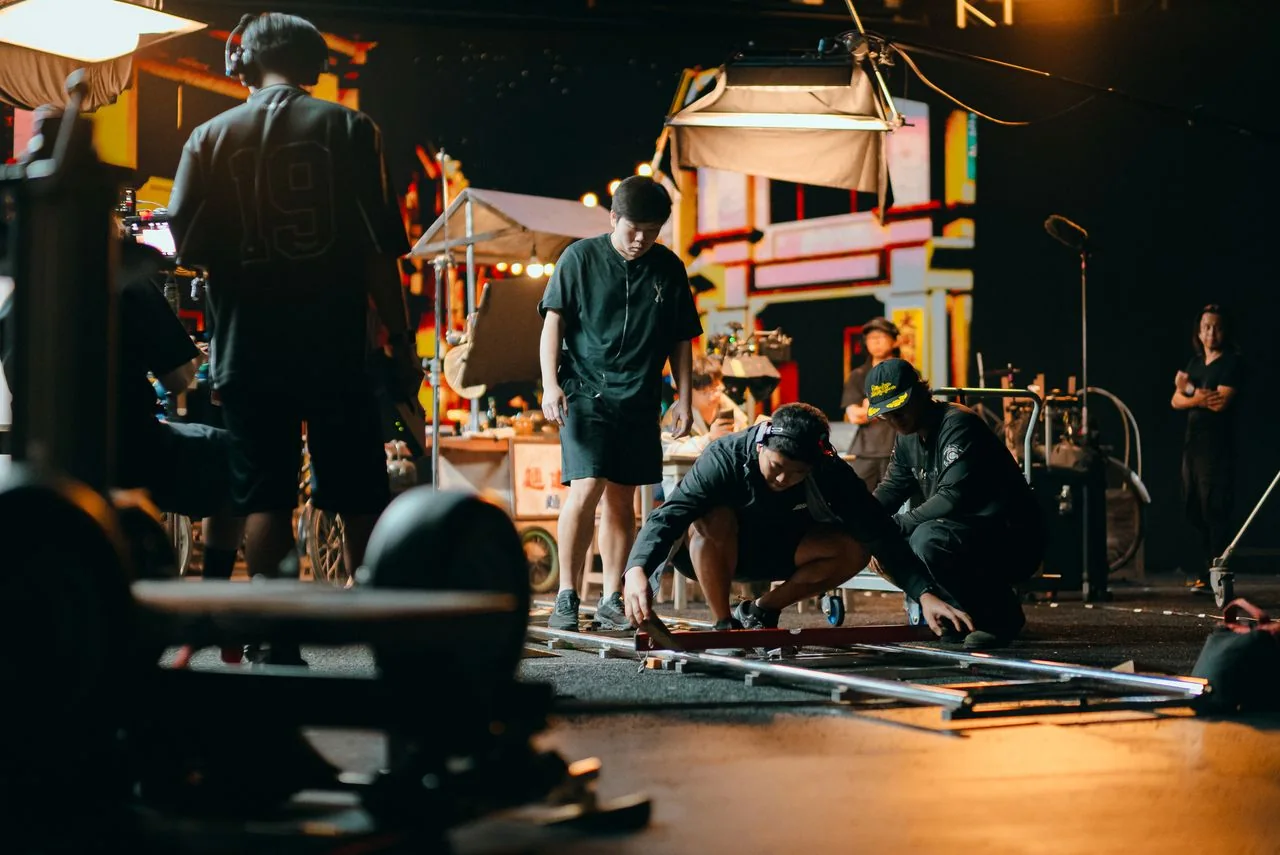
Built around a filmmaker, made by a company
Gilbert Chan founded Red Ink after years spent writing and directing stories for cinema and shorter screens. His feature-film work taught him to notice the moment an audience leans in or drifts away: a character who feels real, a performance that reveals more than a line of dialogue, a cut that arrives at the right time. Across six feature films, including 23:59, Ghost Child and Love Matters, he has worked with story, tone and audience expectation in very different forms.
That experience matters on a commercial brief because the viewer is never obliged to watch. A marketing team may know every detail of a product; a public agency may need every claim to be exact. The film still has to give a person a route into the subject. Gilbert looks for the human situation, the visual choice or the piece of conflict that will carry the message. He can direct a cast performance, help a non-actor feel natural or find the pace that makes a complex explanation possible to follow.
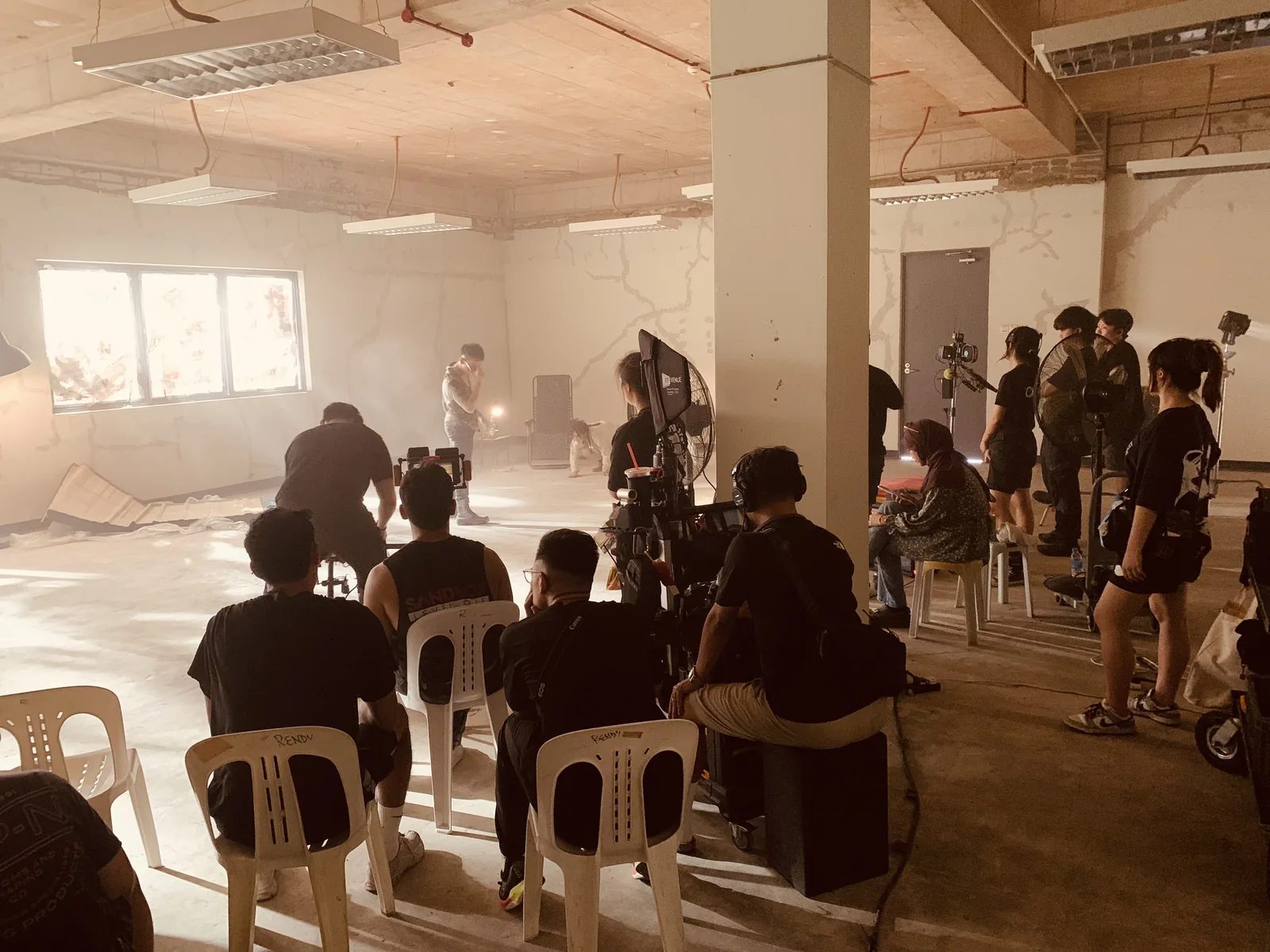
Red Ink is larger than any one person's portfolio. Producers, crews, animators, editors and post-production collaborators turn the creative approach into a finished piece. The right team changes with the treatment. Gilbert leads creative development and takes the directing or review role agreed for the project, while named production leads manage the practical work. Clients get filmmaker judgment connected to an accountable production team, not a promise that one person does every job.
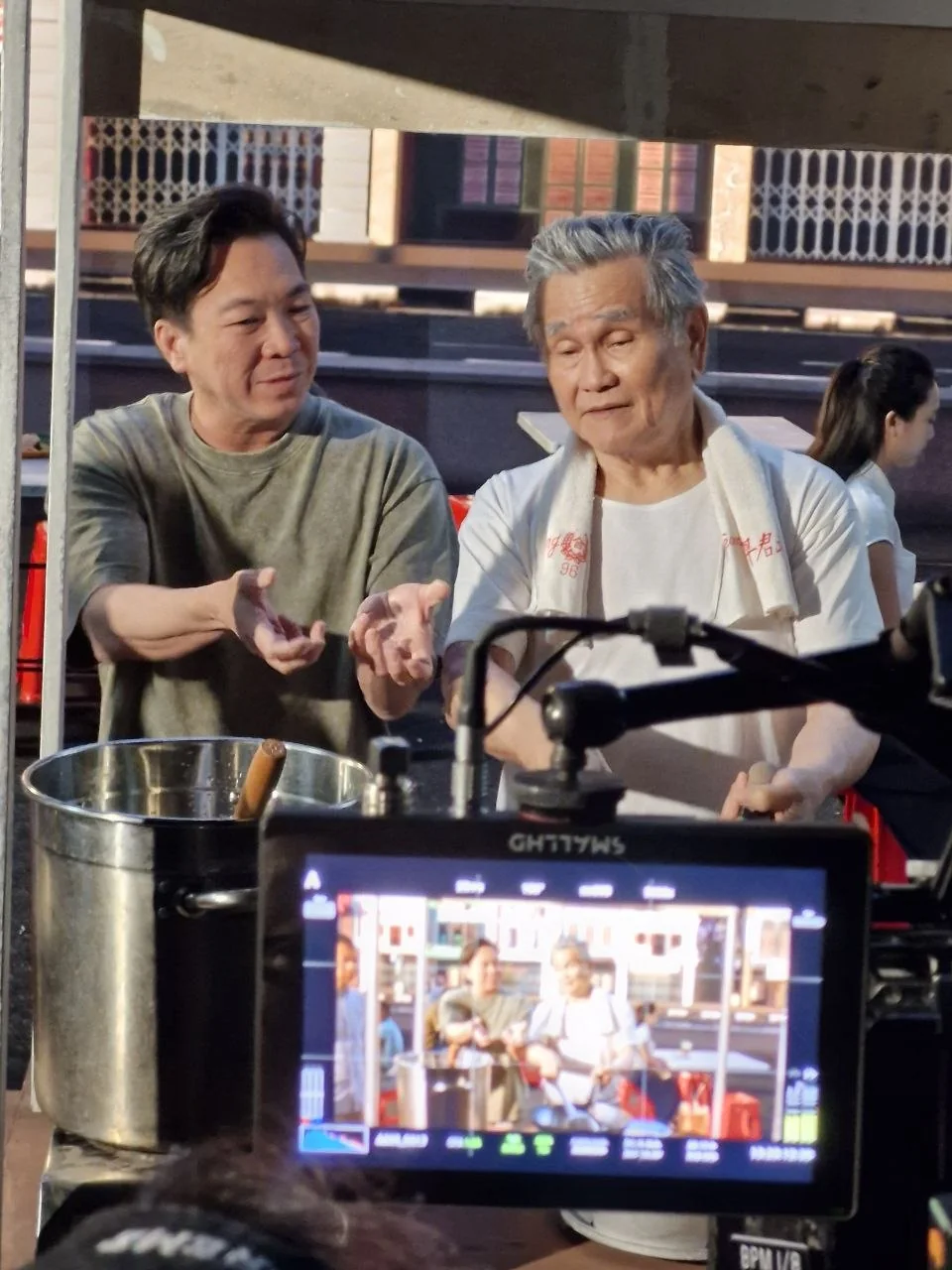
The method follows the story
Live action, interviews, animation, graphics and selectively approved AI-assisted elements are methods available to us. None is our identity. The audience, the facts and the channel determine what belongs in the film. Public-sector work has taught us to respect review and accuracy; commercial work keeps us close to the question of what the film must help a buyer or customer understand.
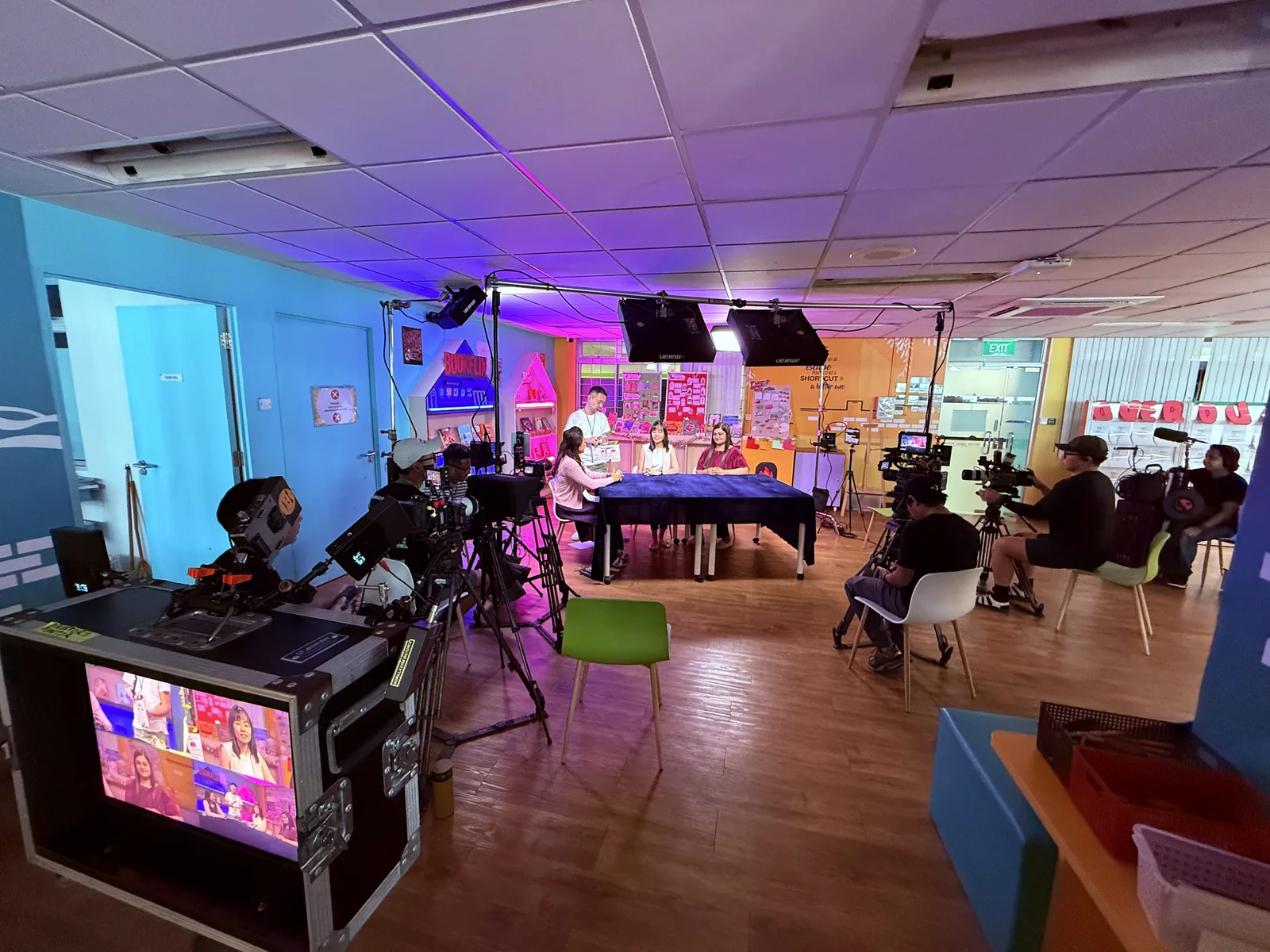
What working with Red Ink should feel like
A brief that becomes clearer as it is discussed. A creative route you can explain to your colleagues. A production team that knows what has been promised. Feedback that solves problems rather than merely moving frames around. A finished film with its intended audience still in view.
THE NEXT FRAME
Have a message worth getting right?
Share the brief while there is still room to make it better. We will look at the audience, the decision the film needs to help them make, and the practical constraints before recommending a route.
Start a project