
HOW WE WORK
Creative that survives approvals.
A strong film has to work for the audience and for the people accountable for the message. We make the important choices early, then leave room for the discoveries that make a film feel alive.
Start with the actual problem
We ask who needs to watch, what they need to understand or feel, where the film will appear and what cannot be said loosely. A brief may arrive with a script, a stack of information or just a deadline. We identify the core message and the decision owner, then decide what research or subject-matter input is needed before a creative route is proposed.
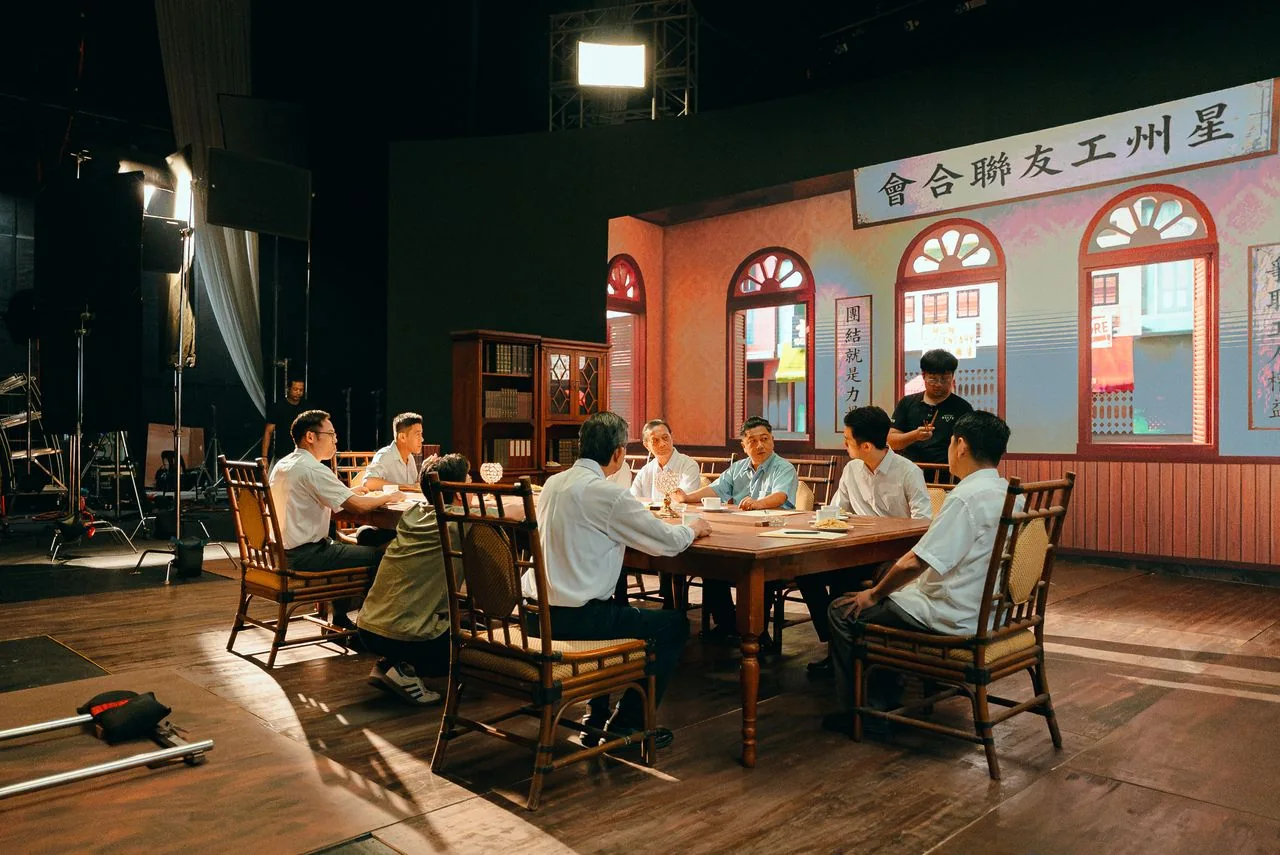
Put the idea where everyone can see it
A treatment and script make the film discussable before production becomes expensive. They show the story angle, what the audience will see and hear, and where factual claims need client approval. This is where we settle the tension between a message the organisation can stand behind and a film somebody would choose to watch.
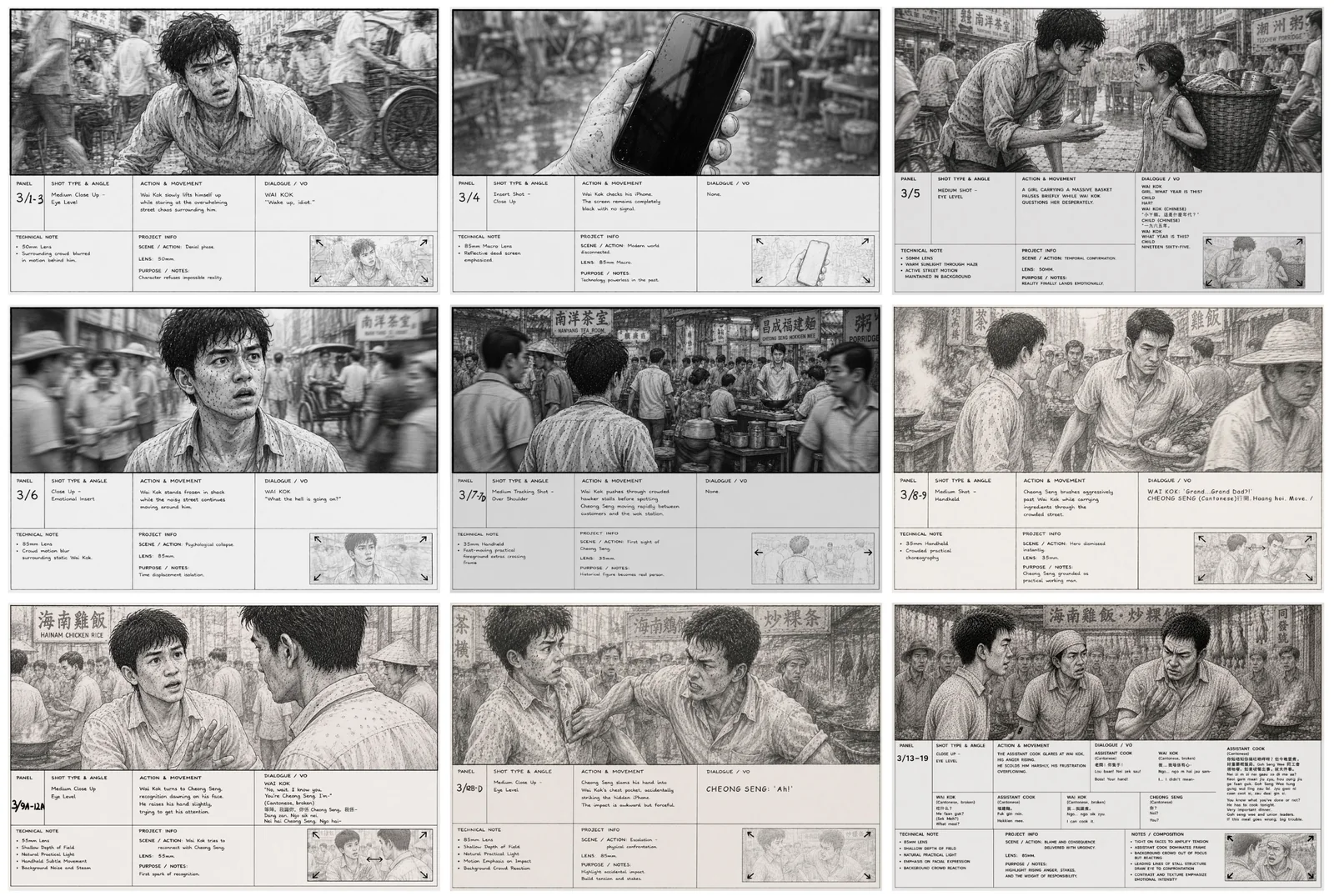
Make the production fit the idea
Pre-production covers people, locations, crew, equipment, schedules and the practical constraints of the chosen treatment. It is the work that allowed Priority Seat to film a comic scene on a moving bus with a full cast and extras, and Myth or Fact to move across several settings in two shoot days. On set, direction matters as much as logistics. Actors, interviewees and people unused to a camera all need different kinds of help to give a natural performance.
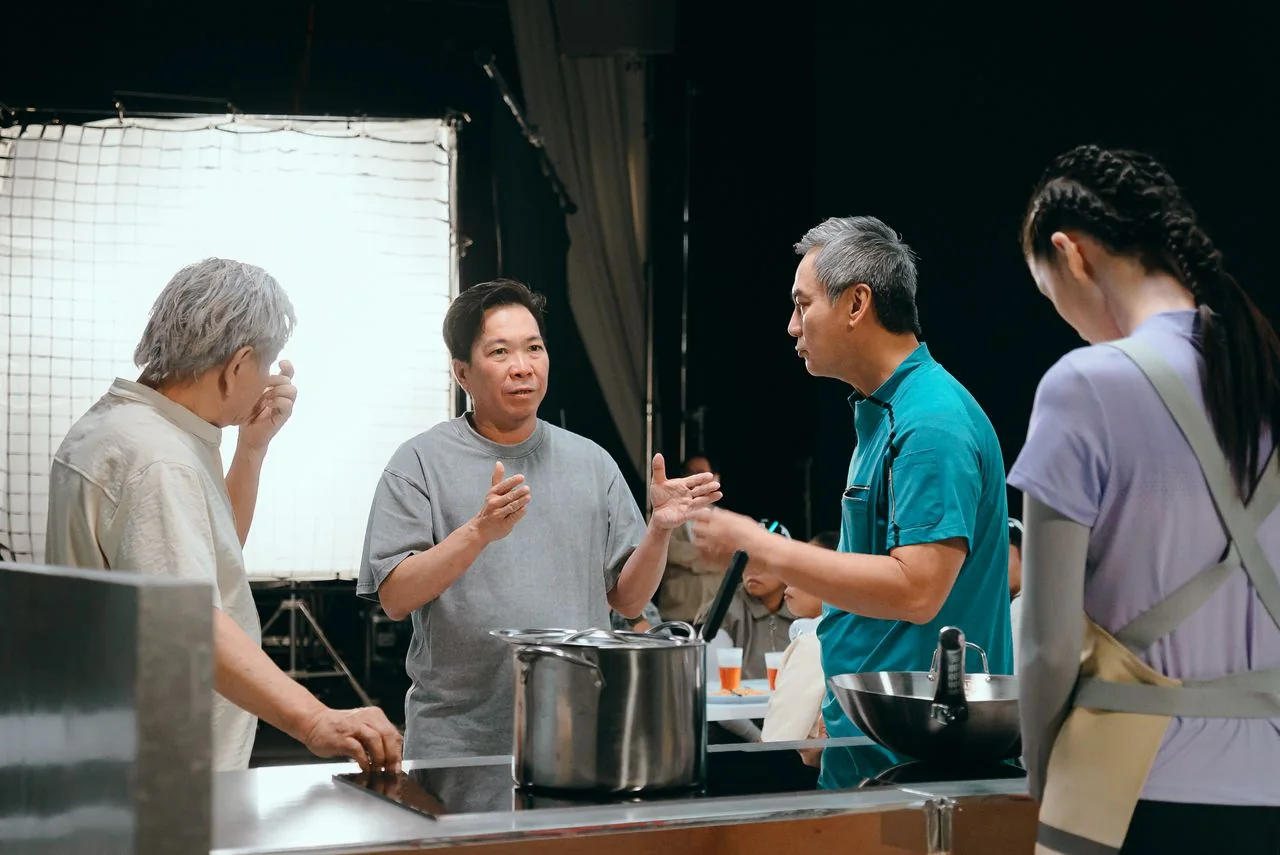
Find the film in the edit
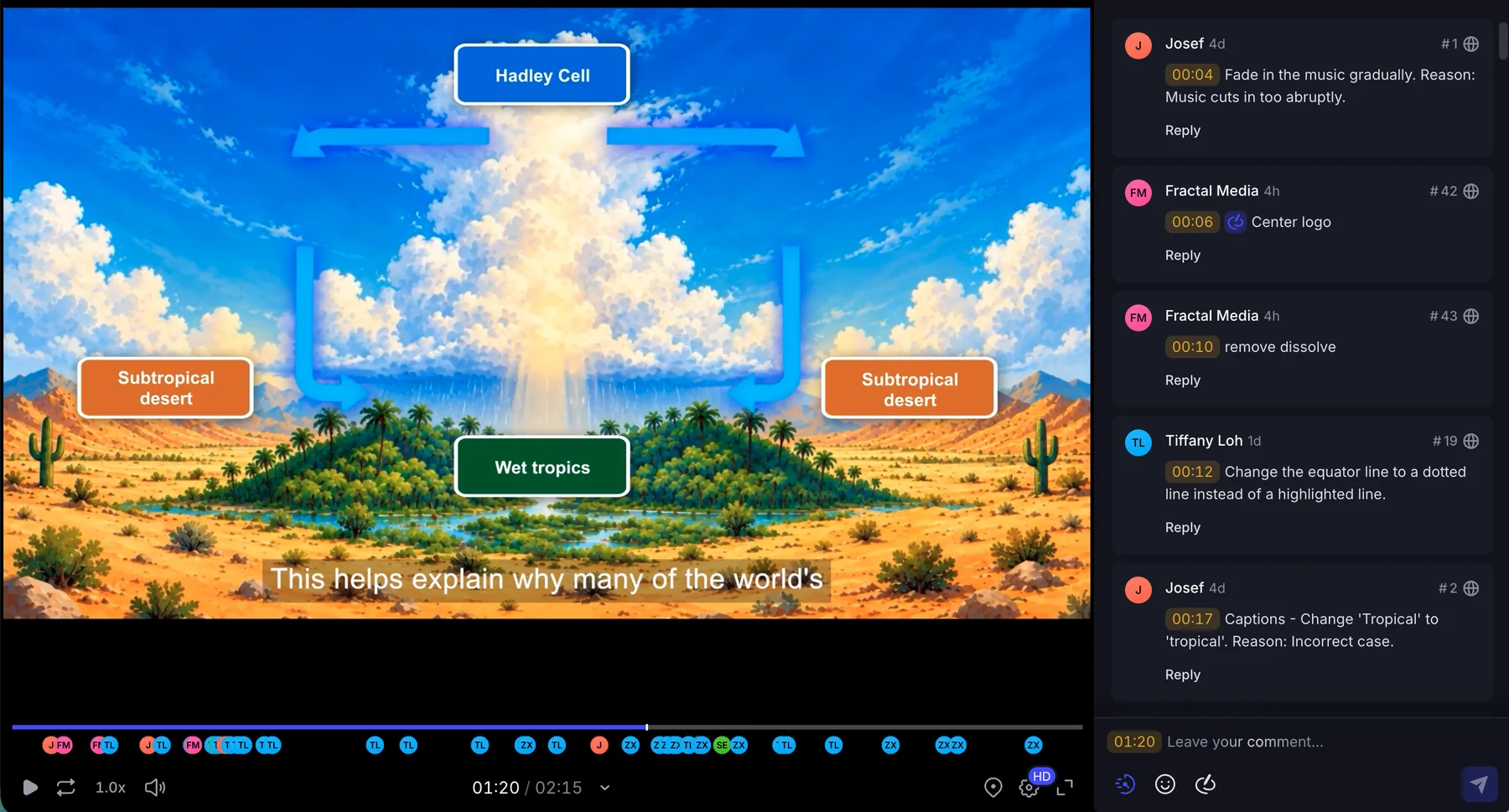
We assemble the story, judge its pace and clarity, and build in the agreed graphics, animation, sound, colour and captions. The first cut should invite useful feedback: what is factually wrong, what is unclear, and where the audience may leave. A single consolidated client response lets us solve the real issue rather than chase contradictory comments.
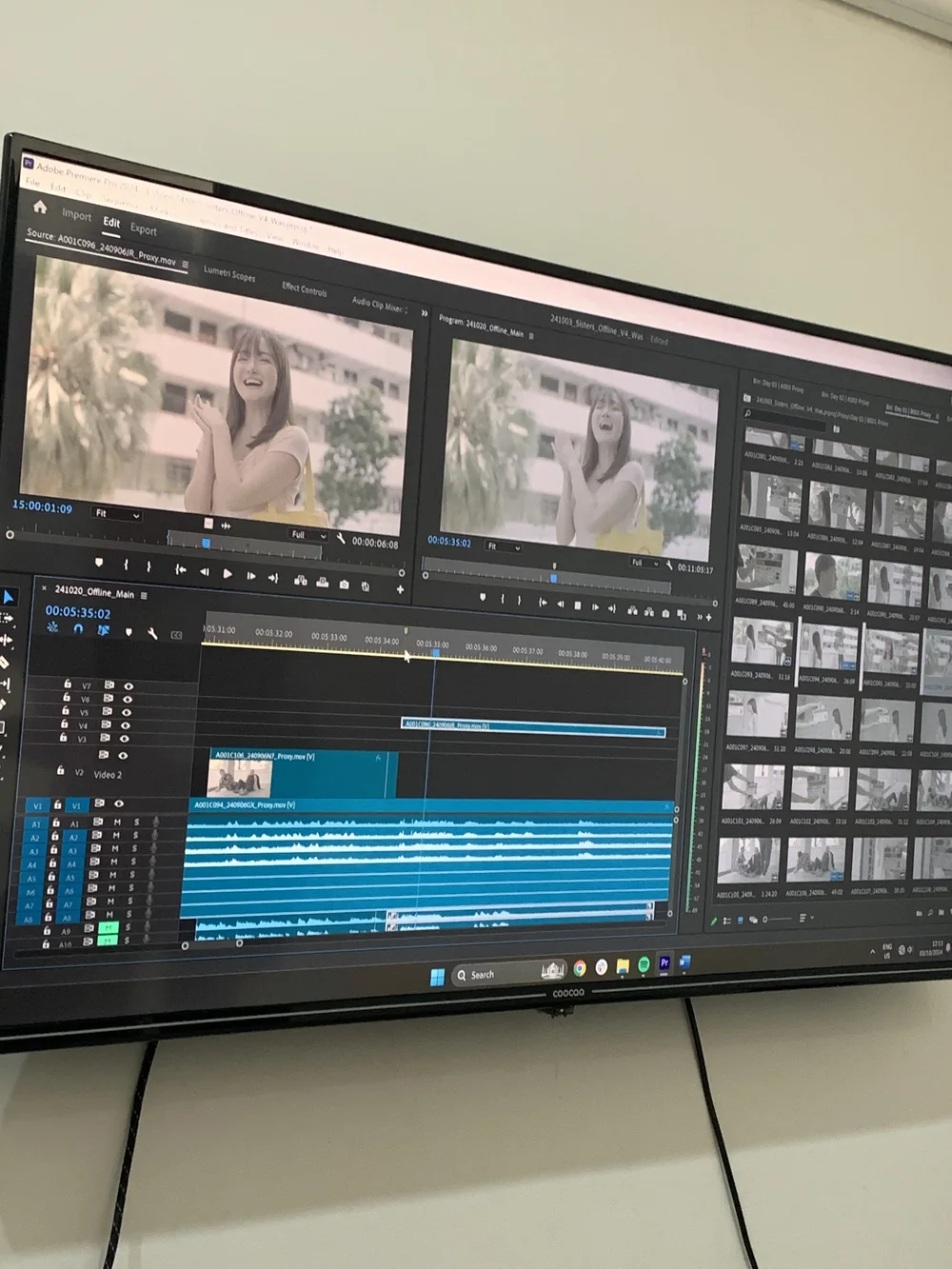
Review without losing the audience
Approval is not a final obstacle that appears after the film is made. We agree review points and responsibilities up front, bring factual owners into claims they can verify and make the effect of late changes visible. SPF Myth or Fact required this balance: short stories needed to stay entertaining while moving through several Government review layers.
Deliver what was agreed
We finish the film for the places it needs to be seen, with the agreed formats and captions ready for use. The audience, the message and the intended channels stay in view through the final edit.
THE NEXT FRAME
Have a message worth getting right?
Share the brief while there is still room to make it better. We will look at the audience, the decision the film needs to help them make, and the practical constraints before recommending a route.
Start a project