
FEATURED WORK
Priority Seat: a comedy with a seat at the centre.
StarHub
Campaign film
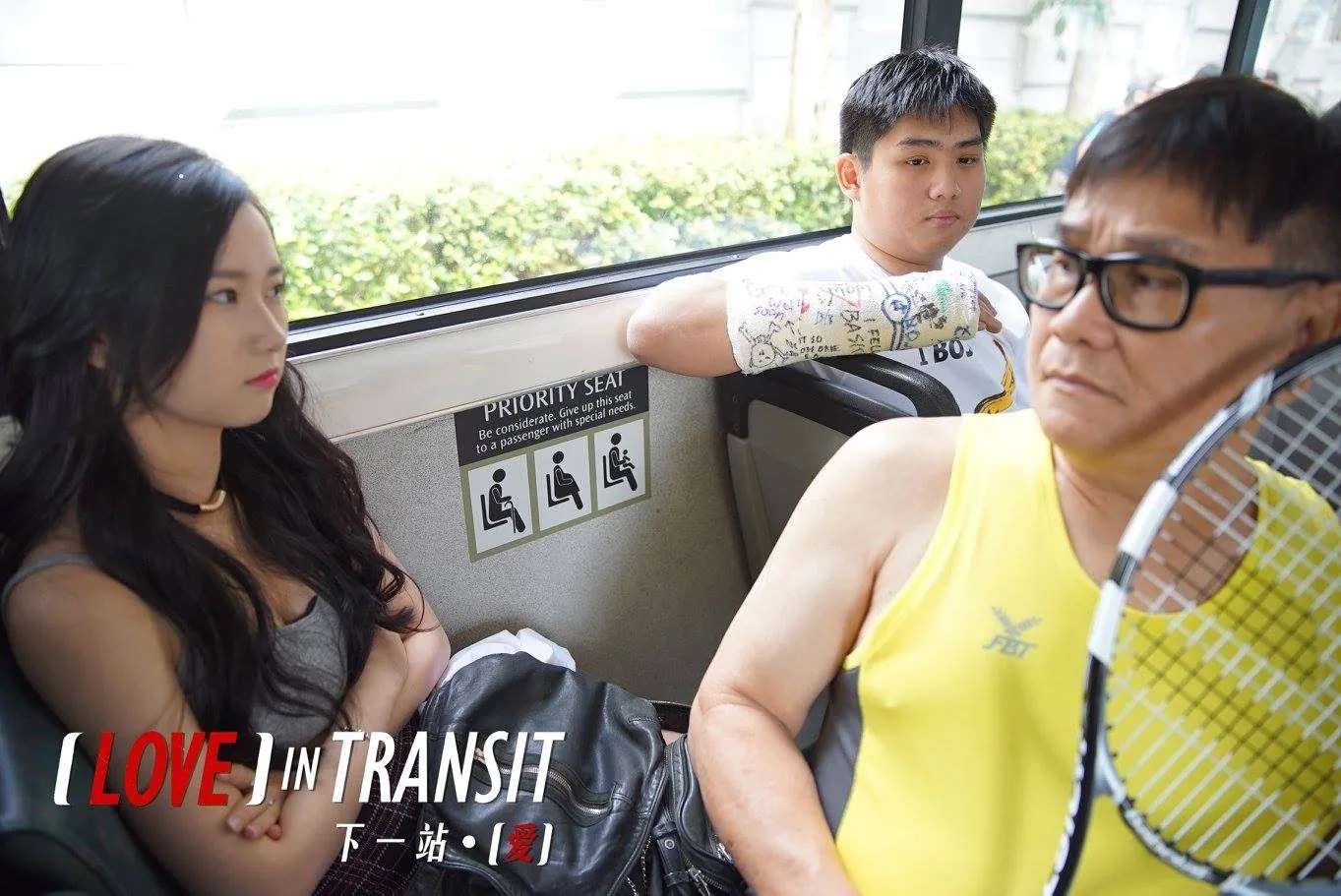
StarHub wanted to encourage courtesy on public transport. Red Ink's answer was a film about three people, each convinced they belonged in the same priority seat. It let the audience recognise the dilemma before asking them to think about it.
Watch the filmTHE STORY BEHIND THE FILM
The brief: make courtesy watchable
Priority seats are part of daily life in Singapore, but the question of who should give one up can be awkward and surprisingly charged. A direct instruction would have been easy to recognise as a public-service message and just as easy to scroll past. For StarHub's Love in Transit, the challenge was to raise awareness of priority-seat courtesy without making the people in the story look like examples in a lecture.
The audience insight: everybody knows the moment
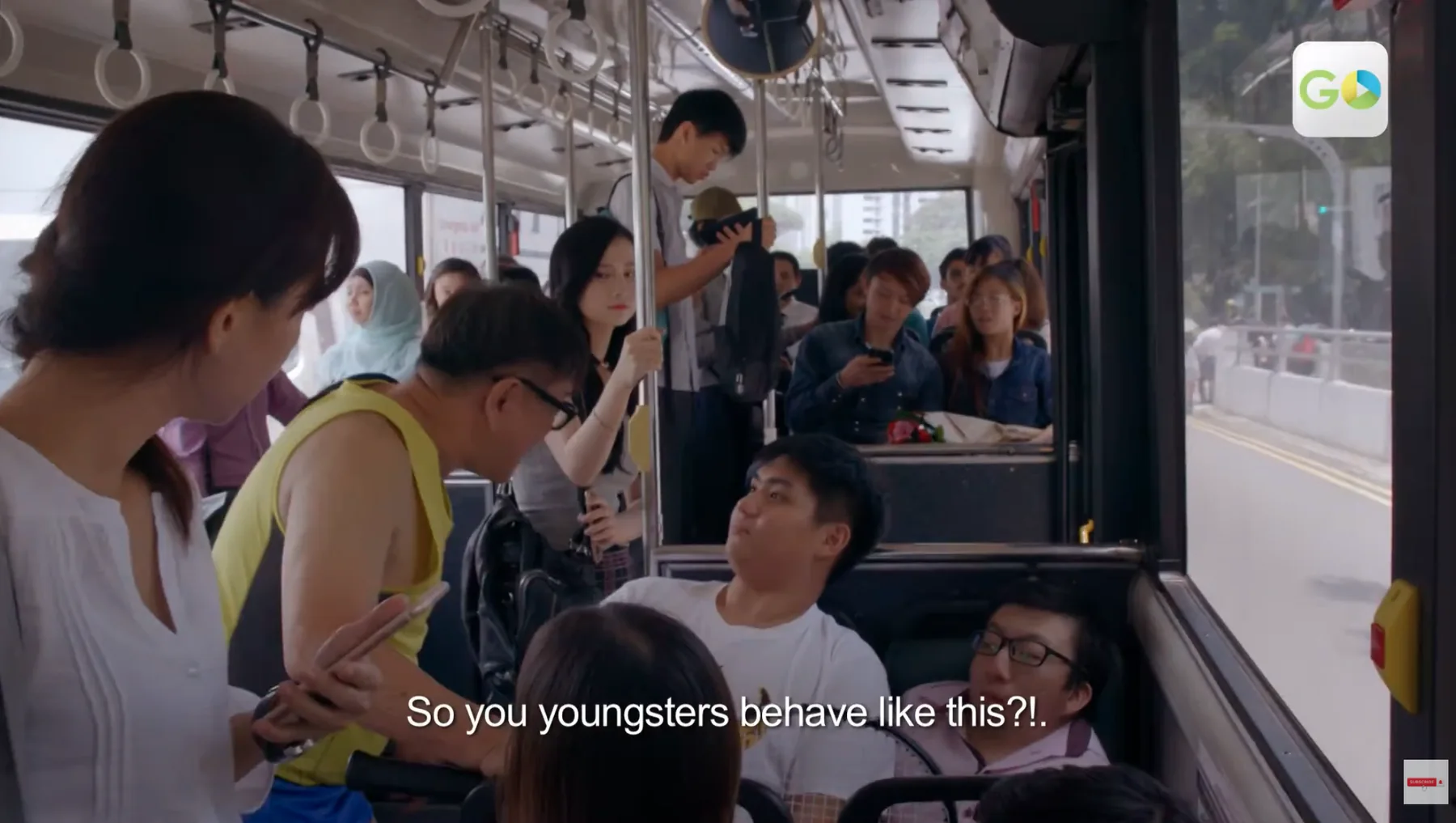
On a bus, a stranger's need is not always obvious and a decision has to happen in public. That small pressure made the setting instantly legible to local commuters. It also gave Red Ink a source of comedy: different people can read the same situation differently, and each can believe they are in the right. The film begins inside a conversation the audience already understands.
THE AUDIENCE MOMENT
The idea: let the conflict carry the message
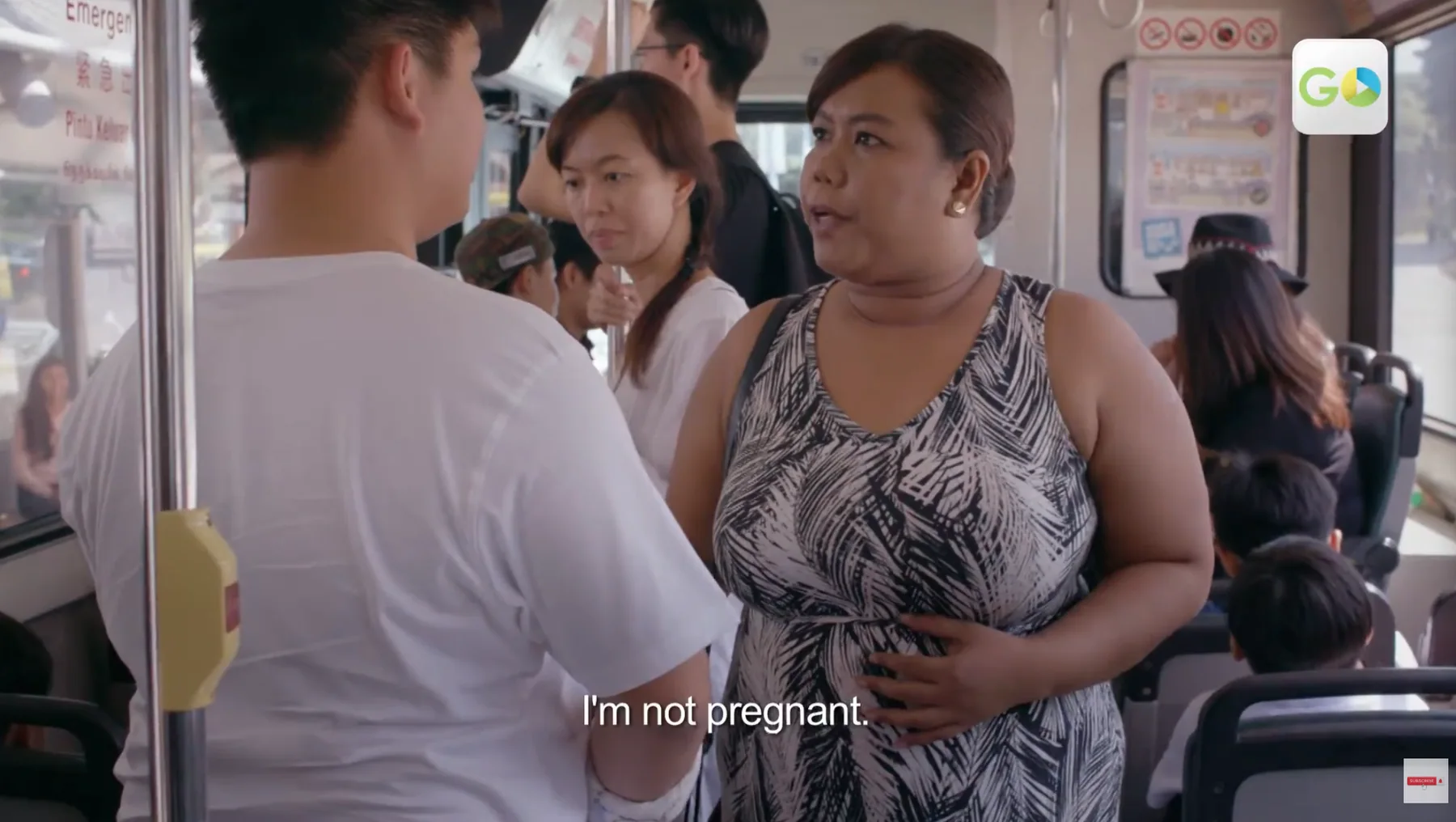
Three characters compete for the priority seat. Their claims and reactions push the scene forward, with humour building as the contest becomes harder to settle. Writing, casting and performance give each person enough conviction to be funny without reducing the situation to a slogan. The courtesy message emerges from the story's turn. It is more effective because the viewer has first been invited to judge, laugh and reconsider.
Gilbert Chan helped develop the creative approach and wrote and directed the film. His attention to character and comic timing mattered here: an expression, hesitation or change of pace could make the difference between a scene that felt observed and a skit that merely illustrated a brief. Red Ink developed and produced the project end to end.
THE FILM'S IDEA
The production: a bus is not a simple location
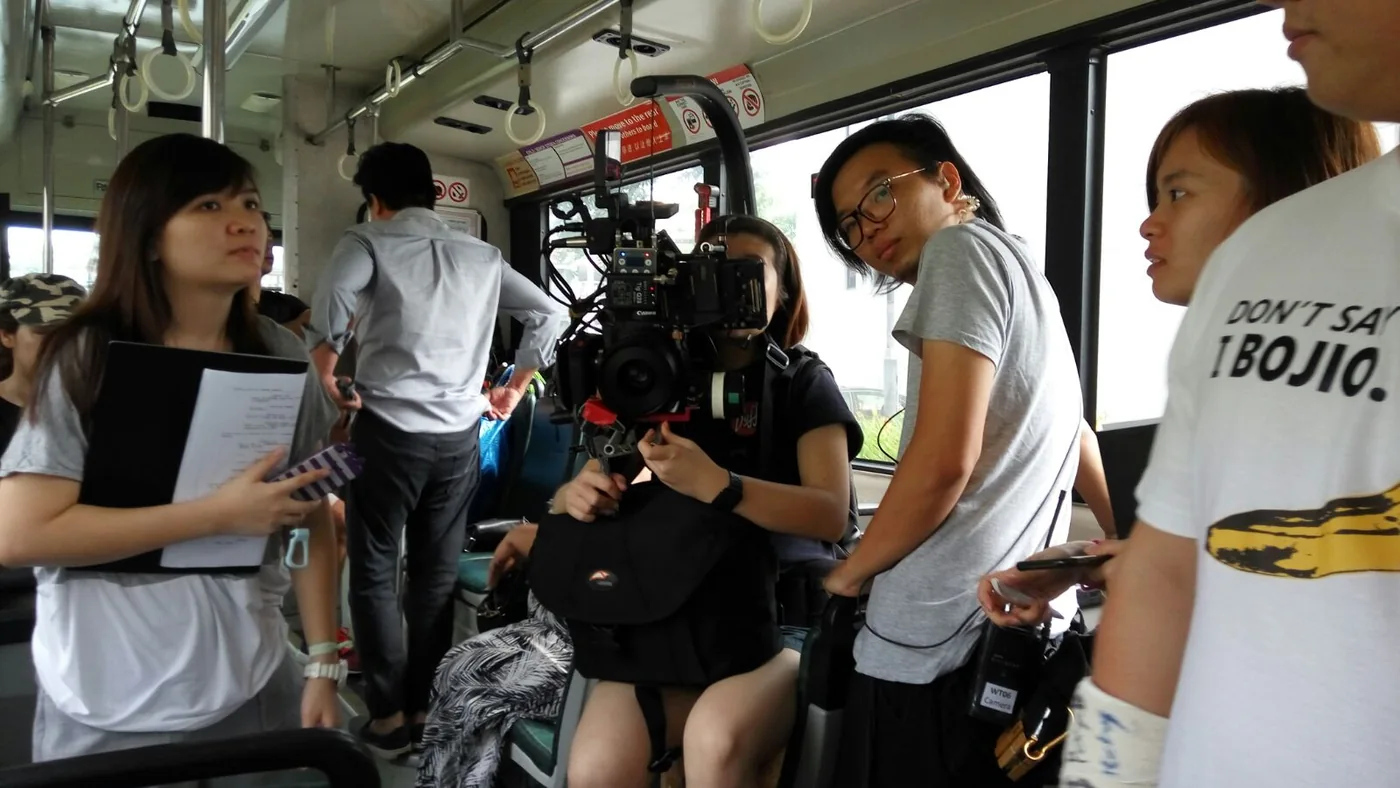
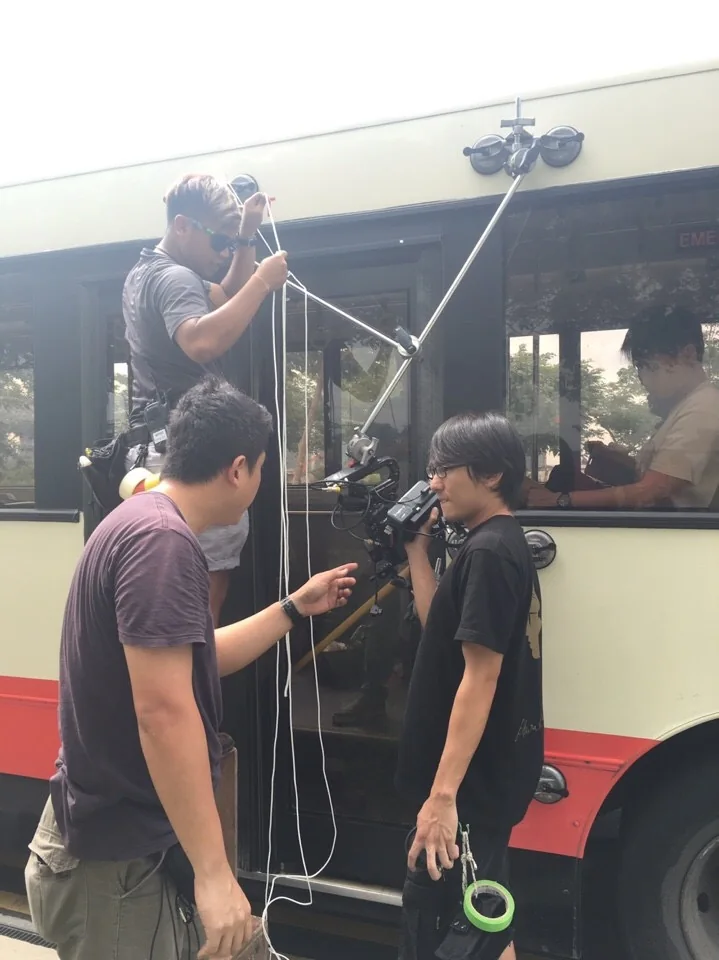
The team prepared for roughly two to three weeks, then shot over two days on a rented bus that kept moving during filming. A full passenger cast and many extras had to be placed, directed and covered while the route, vehicle and camera setup remained practical. The cast mixed veteran performers with younger, less familiar actors to keep the encounter grounded. Post-production took another roughly two to three weeks, shaping the performances and escalation into one main short film for social distribution, including TikTok, Facebook and Instagram.
ON THE BUS
The response: attention the story earned
Priority Seat has achieved more than 18 million views across social platforms. It prompted substantial organic online discussion about the behaviour and competing claims at the centre of the film, and the project received Best Script at the China-ASEAN Short Video Competition. Those figures show an exceptional audience response to this particular film.
What it proves
Red Ink did not start by making a courtesy instruction louder. It found a local situation, wrote characters who could sustain a comic conflict, directed the performances in a difficult real-world setting and made the message part of a story people chose to watch and share. That combination of audience instinct, writing, direction and production discipline is what Red Ink brings to a brand or public-interest brief.
NEXT IN THE WORK
Explore all workTHE NEXT FRAME
Have a message worth getting right?
Share the brief while there is still room to make it better. We will look at the audience, the decision the film needs to help them make, and the practical constraints before recommending a route.
Start a project